

Heathy Eating Tips
posted 23rd June 2026
Preparing Meals for Elderly Loved Ones
Good nutrition plays a vital role in staying healthy, active, and independent as we age. However, appetite changes, medical conditions, and practical challenges can make eating well more difficult for older adults.
Whether you’re supporting a loved one or planning your own meals, a thoughtful approach to nutrition can make a meaningful difference to overall wellbeing.
Why Nutrition Matters More With Age
As the body ages, its nutritional needs change. While calorie requirements may decrease, the need for essential nutrients—like protein, vitamins, and minerals—often increases.
A balanced diet can help:
Maintain strength and mobility
Support immune function
Improve energy levels
Aid memory and cognitive health
Reduce the risk of illness and complications
Eating well isn’t just about physical health—it also contributes to mood, independence, and quality of life.
Common Challenges Older Adults Face With Eating
Understanding potential barriers can help you better support healthy habits.
Some older adults experience a reduced appetite or changes in taste and smell, making food less appealing. Dental issues or difficulty swallowing can also limit food choices.
Mobility problems may make shopping or cooking harder, while certain medications can affect appetite or digestion.
Social factors matter too—eating alone can reduce motivation to prepare meals or eat regularly.
Healthy Eating Tips for Older Adults
Small, practical changes can make a big impact.
Focus on balanced meals that include a mix of protein, whole grains, fruits, vegetables, and healthy fats. Protein is especially important for maintaining muscle strength—options like eggs, fish, lean meats, beans, and dairy are all excellent choices.
Encourage regular meals, even if they’re smaller. Eating little and often can be easier than managing large portions.
Hydration is just as important. Older adults may not always feel thirsty, so regular drinks—water, milk, or soups—should be encouraged throughout the day.
Adding colour and variety to meals can make them more appealing and enjoyable, helping stimulate appetite.
Preparing Meals for Elderly Loved Ones
Cooking for an older adult involves more than just nutrition—it’s about making meals enjoyable, accessible, and safe.
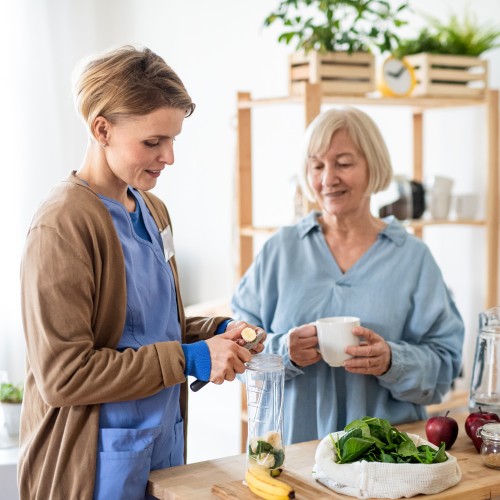
Start by keeping meals simple and familiar. Favourite dishes can provide comfort and encourage better eating habits. Where possible, involve your loved one in meal planning or preparation to maintain a sense of independence.
Consider texture and ease of eating. Softer foods or modified textures may be helpful if chewing or swallowing is difficult. Cutting food into smaller pieces or choosing easy-to-handle options can also make mealtimes less stressful.
Batch cooking can save time and ensure there are always nutritious meals available. Freezing portions allows for flexibility on days when cooking feels like too much effort.
Making Mealtimes More Enjoyable
The experience of eating is just as important as the food itself.
Try to create a calm, relaxed environment. Sitting down together for meals can turn eating into a social activity rather than a task.
Presentation matters too—attractive, well-plated meals can make food more appealing. Even small touches, like using favourite dishes or adding garnishes, can enhance the experience.
Encouraging routine—regular meal times each day—can also help build healthy habits and improve appetite.
Supporting Special Dietary Needs
Many older adults have specific dietary requirements due to health conditions such as diabetes, heart disease, or digestive issues.
In these cases, it’s important to follow medical advice while still keeping meals enjoyable. Reducing salt, sugar, or saturated fats may be necessary, but flavour can still be maintained with herbs, spices, and fresh ingredients.
If you’re unsure, consulting a healthcare professional or dietitian can provide guidance tailored to individual needs.
Encouraging Independence Around Food
Where possible, support older adults in maintaining control over their eating habits.
This might mean:
Letting them choose meals or snacks
Encouraging simple food preparation tasks
Providing easy-to-use kitchen tools
Maintaining involvement helps preserve dignity and confidence, which are closely linked to overall wellbeing.
Final Thoughts
Healthy eating in later life is about more than nutrition—it’s about enjoyment, independence, and maintaining quality of life.
By understanding changing needs, preparing meals thoughtfully, and creating a positive mealtime experience, you can help ensure your loved one stays nourished, supported, and engaged.
Even small changes can make a big difference—because good food isn’t just fuel, it’s a key part of living well.